
At 3:00 PM UTC on November 21, 2025, India quietly rewrote the rules of work. Four sweeping labour codes — the Code on Wages, 2019, the Industrial Relations Code, 2020, the Code on Social Security, 2020, and the Occupational Safety, Health and Working Conditions Code, 2020 — took effect, replacing 29 outdated Central laws in one of the most ambitious labour reforms in modern Indian history. The change didn’t make headlines globally, but for over 400 million workers across farms, factories, and informal gigs, it’s already altering paychecks, workdays, and safety nets. Here’s the thing: labour codes aren’t just bureaucracy. They’re about whether a beedi roller in Odisha gets paid on time, whether a woman in Bengaluru can safely work the night shift, and whether a small factory owner can actually comply without drowning in paperwork.
What’s Actually Changing for Workers?
The most immediate shock? Basic salary must now be at least 50% of the total Cost to Company (CTC). That means if your employer offered you ₹8 lakh CTC — with ₹3 lakh as basic and ₹5 lakh as allowances — they now have to restructure it to ₹4 lakh basic and ₹4 lakh allowances. Sounds fair? Not necessarily. While this boosts your provident fund and gratuity payouts (since those are calculated on basic pay), it slashes your take-home salary. Why? Because allowances like HRA, conveyance, and food coupons are often tax-exempt. Move them into basic, and your income tax bill jumps. Many workers are already seeing smaller net pays — even as their retirement savings grow.
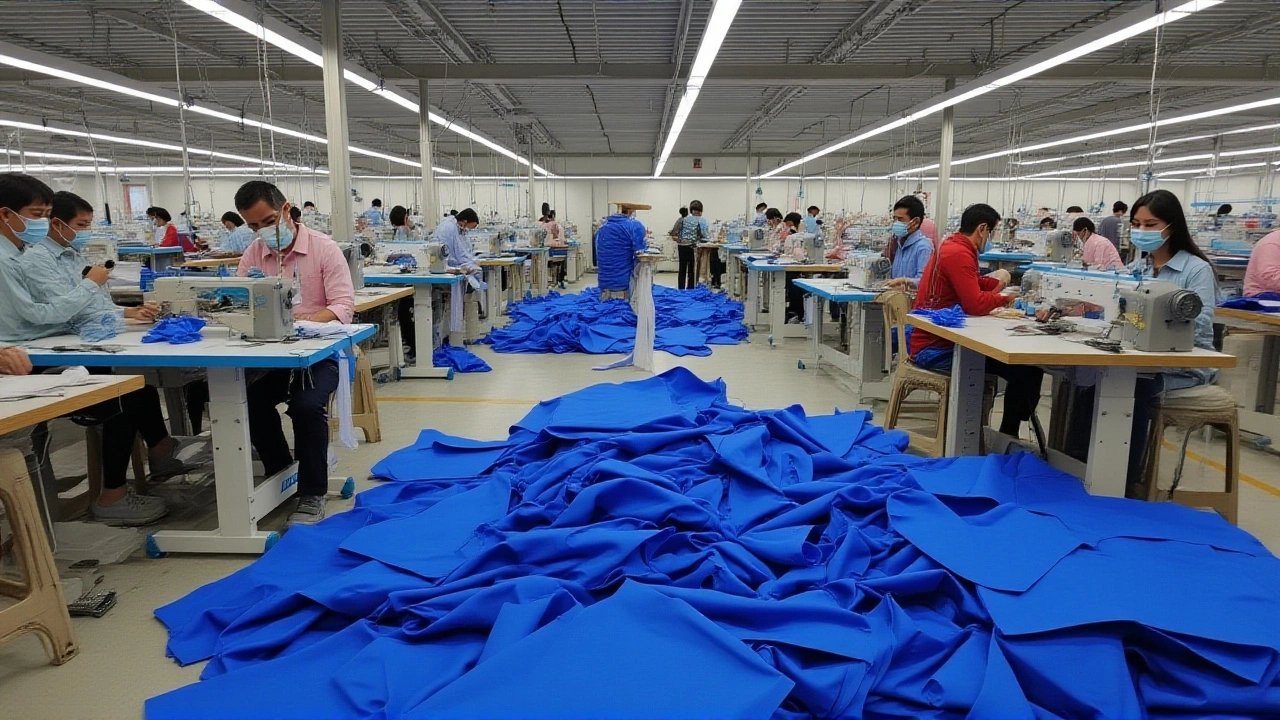
Work hours? They’re capped. No more 60-hour weeks under the radar. The Occupational Safety, Health and Working Conditions Code, 2020 limits daily work to 8–12 hours, with a hard weekly cap of 48 hours. Overtime? Must be voluntary, and paid at double the normal rate. For the first time, this applies uniformly to plantations, beedi factories, construction sites, and even audio-visual crews. Beedi and cigar workers — long ignored — now have guaranteed minimum wages, bonus eligibility after 30 days of work, and no unauthorized deductions. Plantation workers can take annual leave after 180 days. And women? They can now legally work night shifts — but only with written consent and double pay. Safety measures, like transport and lighting, are now mandatory.
The Bureaucratic Overhaul: Less Paper, More Clarity
Before, employers had to register separately under six different laws just to hire 10 people. Now? One digital registration. The threshold for mandatory registration dropped from 6 to 10 employees — a relief for small businesses. Factories now only fall under the code if they employ 20+ workers with power, or 40+ without. Contract labour rules? The threshold jumped from 20 to 50 workers per establishment. And those temporary labour licenses? They’re now valid for five years nationwide — not tied to a single project. This isn’t just convenience. It’s a signal: India wants to attract investment by cutting red tape.
But the biggest structural shift? The creation of a Social Security Fund for unorganised workers — street vendors, domestic helpers, gig workers. It’s funded by penalties collected from non-compliant employers. Think of it as a safety net stitched from fines. It won’t replace pensions, but it can pay for medical emergencies or maternity support.
Who’s Happy? Who’s Worried?
The Government of India calls this a "future-ready" system. The Press Information Bureau says it brings "uniformity" and "ease of doing business." The Economic Times noted upgraded digital interfaces and streamlined approvals. Firms like Khaitan & Co. and BDO agree: the codes align India with global standards.
But here’s the twist: labour unions are nervous. The Industrial Relations Code gives employers more flexibility to lay off workers without government approval in firms with fewer than 300 employees — down from 100. Critics fear this opens the door to arbitrary dismissals. "We’ve seen this before," said a senior union leader from the Indian National Trade Union Congress. "Laws look good on paper. Implementation? That’s where workers get left behind. What’s the timeline for state-level enforcement? Who monitors night shift safety? No one’s answered that yet."
And then there’s the state problem. India’s labour laws are now Central, but enforcement? That’s up to 28 states and 8 union territories. Some states, like Tamil Nadu and Maharashtra, are moving fast. Others? They’re still drafting rules. A small garment unit in Bihar might be compliant by January. One in Jharkhand might still be confused in June. "The reform is brilliant," said a compliance officer in Hyderabad. "But without trained inspectors, digital literacy among workers, and clear grievance channels — it’s just a beautiful document gathering dust."

What’s Next? The Real Test Begins
By March 2026, all states are expected to notify their own rules under the four codes. That’s when the real battle begins — between employers who want flexibility and workers who need protection. The government says it’s rolling out training modules for inspectors and launching a national portal for wage complaints. But will it be enough?
One thing’s clear: India’s workforce is no longer just "organized" or "unorganized." It’s hybrid. Millions work for apps, in home-based units, or as daily wage earners. These codes, for the first time, try to cover them all. Whether they succeed depends on three things: how strictly penalties are enforced, how transparent the digital system is, and whether workers know their rights.
For now, the changes are quiet. No protests. No parades. Just payroll slips shrinking, overtime logs growing, and a new sense of possibility — if the system holds up.
Frequently Asked Questions
How does the 50% basic salary rule affect my take-home pay?
If your CTC is ₹8 lakh and your basic was ₹3 lakh, it will now rise to ₹4 lakh. But allowances like HRA and transport — often tax-free — will shrink. This increases your income tax, reducing your monthly net pay even as your provident fund and gratuity grow. Workers earning under ₹25,000/month may see their take-home drop by 8–12% initially.
Can my employer force me to work night shifts now?
No. The law requires written consent before any woman can work between 7 PM and 6 AM. Employers must also provide safe transport, adequate lighting, and security. Night work must be paid at double the normal rate. This is a right, not an obligation — and it’s enforceable through state labour departments.
What happens if my small business has only 15 workers?
You now need only one digital registration under the unified system — down from six separate filings. The factory threshold for full compliance is 20+ workers with power, so your 15-worker unit has fewer reporting obligations. But you still must pay minimum wages, cap work hours, and avoid wage deductions. Non-compliance can trigger penalties into the Social Security Fund.
Are gig workers like delivery riders covered?
Not directly under the new codes — yet. But the Social Security Fund for unorganised workers can now extend benefits like accident insurance or maternity aid to gig workers if states choose to include them. Delhi and Karnataka have already started pilot programs. The central government is expected to issue guidelines by mid-2026 to formalize their inclusion.
How will workers know if they’re being paid correctly?
A new national wage portal, launched alongside the codes, lets workers verify their wage structure against state-specific minimum wage rates. Employers must display wage slips digitally with clear breakdowns of basic, allowances, PF, and overtime. Workers can file anonymous complaints directly through the portal — and states are required to respond within 15 days.
What’s the biggest risk for employers right now?
Retroactive compliance. The law is effective from November 21, 2025, but many employers haven’t recalculated pay structures or updated contracts. If audited, they could owe back wages, unpaid overtime, or face fines for misclassification. Experts warn: don’t wait for state notifications. Start restructuring payrolls now to avoid penalties.