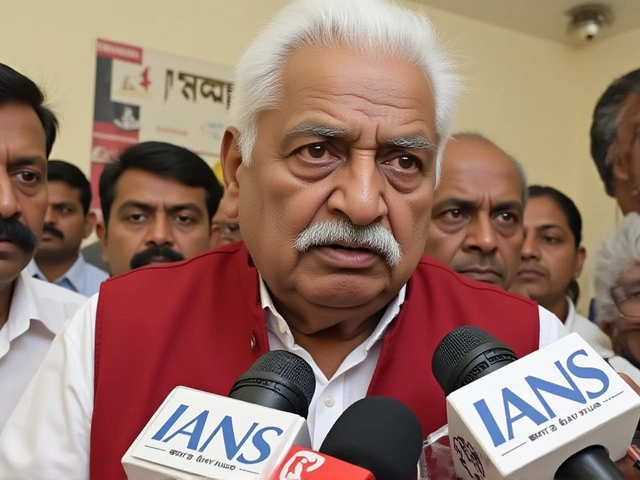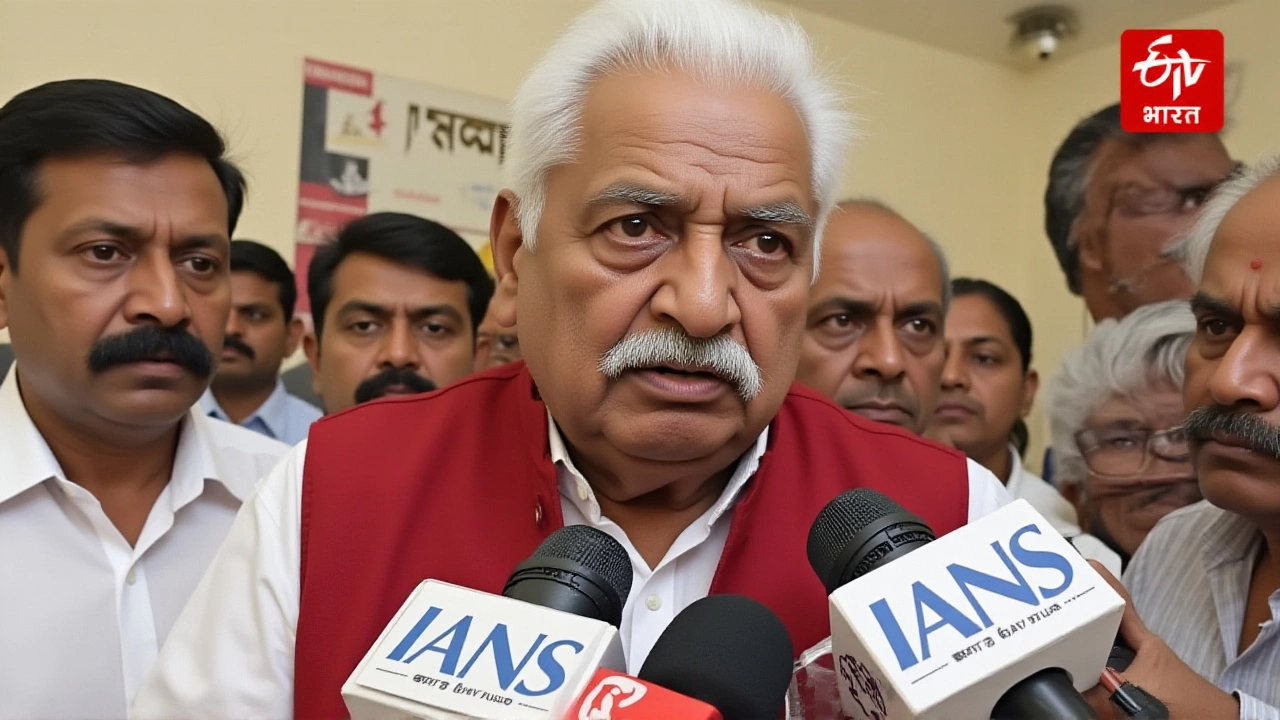
When Mata Prasad Pandey, Leader of the Opposition in the Uttar Pradesh Legislative Assembly walked into Gorakhpur Jail on Tuesday, he wasn't just checking in on a colleague. He was making a statement. The senior leader from the Samajwadi Party (SP) met with an incarcerated party worker, using the visit to launch a sharp critique of the ruling Bharatiya Janata Party (BJP) government.
The meeting took place in Gorakhpur, a city that has become a political battleground in recent years. By stepping foot inside the prison walls, Pandey signaled that the opposition is paying close attention to how the state handles political dissent and legal cases against its members. It’s a move designed to resonate with voters ahead of future electoral cycles, particularly with the 2027 Uttar Pradesh Assembly Elections already on the horizon.
A Symbolic Visit in a Contested City
Here's the thing about politics in Uttar Pradesh: visibility is everything. Pandey’s decision to visit Gorakhpur specifically carries weight. This isn't just any district; it's a region where the SP has historically held strong influence, though the BJP has made significant inroads since 2017. The juxtaposition of an opposition leader visiting a jail—a place often associated with confinement and silence—is inherently dramatic. It draws media attention and forces a conversation about justice and governance.
During the visit, Pandey met with an SP worker who is currently lodged there. While the specific name and case details of the worker remain unclear in initial reports, the act itself is symbolic. It suggests solidarity. For grassroots workers, seeing their leadership stand by them during difficult times can be a powerful morale booster. But for the opposition, it’s also a tool. It paints the current administration as one that jails political opponents rather than engaging with them through dialogue.
Pandey didn’t mince words. Reports indicate he took a direct jibe at the BJP government. The phrase used in local media, "kasa ye tanj" (what kind of taunt/jibe), implies his remarks were biting and critical. While the exact transcript of his comments isn't fully detailed in every report, the sentiment is clear: he views the detention of party workers as politically motivated. This aligns with a broader narrative pushed by the SP that the state government uses the law as a weapon against opposition figures.
The Political Context: Beyond the Prison Walls
To understand why this matters, you have to look at the bigger picture. Uttar Pradesh is India’s most populous state and a key prize in national politics. With over 80 million voters, the next assembly elections will likely determine the balance of power not just in Lucknow, but in New Delhi. Every move made by leaders like Pandey is calculated with this endgame in mind.
The Samajwadi Party, led by Akhilesh Yadav, has been working to rebuild its base after setbacks in previous elections. Focusing on issues like false cases and harassment of workers is a strategy to mobilize their core support base. It taps into emotions—anger, sympathy, and a sense of injustice. When a leader visits a jail, it humanizes the struggle. It turns abstract political rhetoric into a tangible story of individual suffering.
But wait, there’s another layer. Gorakhpur has seen its share of controversy. From past communal tensions to debates over resource allocation, the city is sensitive. A high-profile visit by an opposition leader can quickly escalate local sentiments. The BJP, which holds the majority in the state assembly, is likely to view this as an attempt to destabilize the narrative around law and order. They may counter by highlighting the legal basis for the worker’s detention, framing it as a matter of rule of law rather than political persecution.
Reactions and Ripple Effects
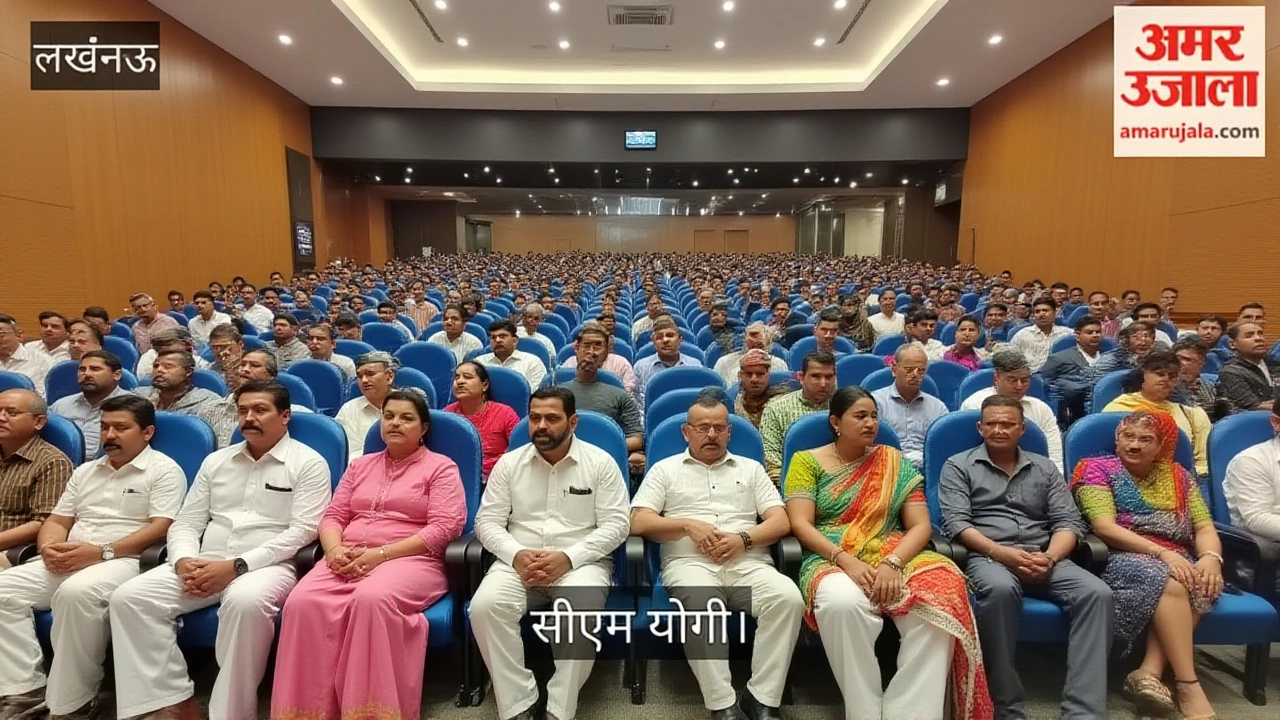
How are people reacting? Locally, the visit has generated buzz. Social media platforms saw immediate activity, with hashtags like #MataPrasadPandey and #GorakhpurNews trending among regional users. A YouTube video documenting the visit garnered hundreds of views within hours, indicating strong public interest. This digital footprint amplifies the reach of the event beyond physical attendees.
Political analysts suggest that such visits serve dual purposes. First, they keep the opposition relevant in the news cycle. In a crowded media landscape, dramatic actions cut through the noise. Second, they test the waters for voter sentiment. If the public sympathizes with the jailed worker, it could translate into votes later. Conversely, if voters perceive the visit as mere theatrics, it might backfire.
Experts point out that the timing is strategic. With no major elections imminent in the next few months, parties are positioning themselves for the long haul. The 2027 assembly polls are the next big milestone. Leaders are trying to define the issues that will dominate those campaigns. Issues like corruption, unemployment, and judicial fairness are perennial topics, but adding the dimension of "political prisoners" adds emotional urgency.
What Happens Next?
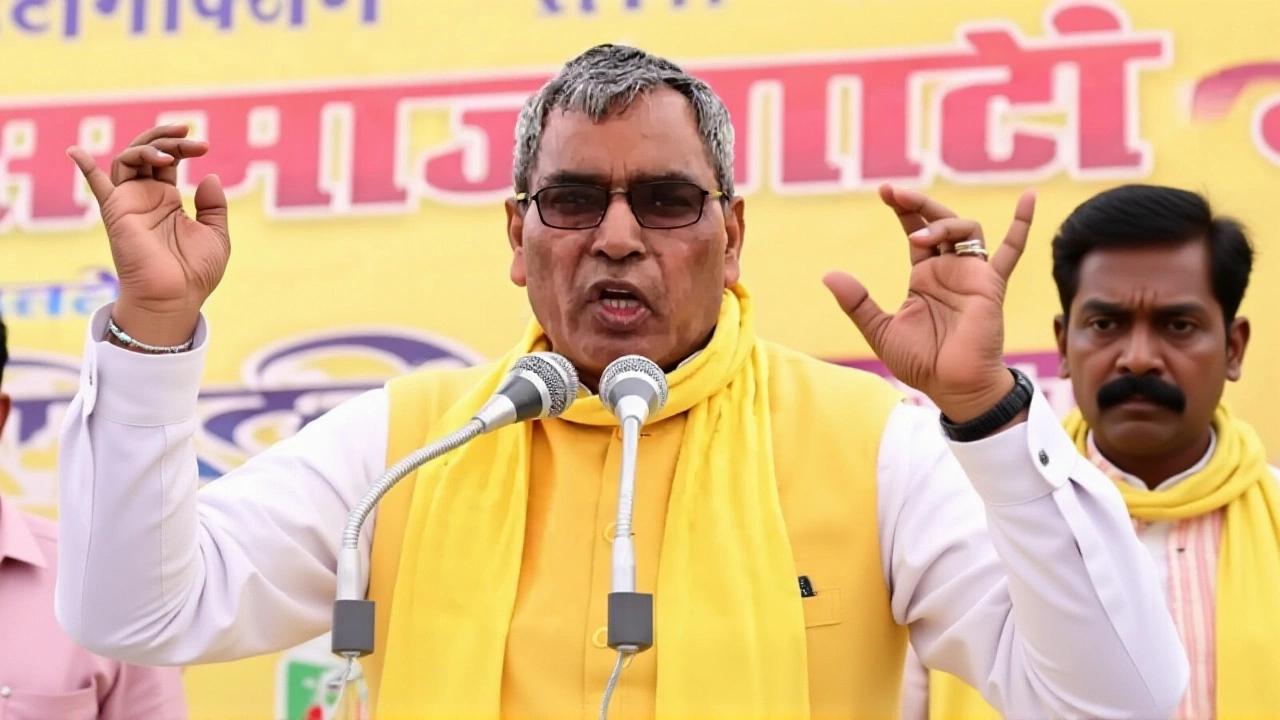
The immediate aftermath of such visits usually involves press conferences and social media blasts. Expect both the SP and BJP to issue statements reinforcing their respective narratives. The SP will likely continue to highlight the plight of jailed workers, calling for their release or fair trials. The BJP will probably emphasize the need for maintaining law and order and dismiss the claims as political propaganda.
Watch for similar visits in other districts. If this tactic proves effective in generating sympathy and media coverage, other opposition leaders may follow suit. It could lead to a wave of "solidarity tours" across the state, turning prisons into unintended campaign stops. Meanwhile, the legal proceedings for the jailed worker will continue, potentially becoming a test case for broader arguments about political freedom in the state.
For now, the focus remains on Gorakhpur. The image of Mata Prasad Pandey walking out of the jail gates, surrounded by supporters and cameras, is a potent symbol. It reminds us that in Indian politics, even silence behind bars can speak volumes—and sometimes, the loudest messages come from the quietest places.
Frequently Asked Questions
Who is Mata Prasad Pandey?
Mata Prasad Pandey is a senior leader of the Samajwadi Party (SP) and serves as the Leader of the Opposition in the Uttar Pradesh Legislative Assembly. He is a prominent figure in state politics, known for his vocal criticism of the ruling BJP government and his role in coordinating opposition strategies across the state.
Why did Mata Prasad Pandey visit Gorakhpur Jail?
He visited to meet a Samajwadi Party worker who is currently incarcerated there. The visit was both a gesture of solidarity with the detained activist and a political statement aimed at criticizing the BJP government's handling of political cases. It highlights the opposition's concern over alleged misuse of legal processes against party members.
What did Mata Prasad Pandey say about the BJP government?
While the exact quotes vary in reports, Pandey launched a sharp critique, described as a "taunt" or "jibe," against the BJP government. He implied that the detention of party workers is politically motivated, suggesting that the administration is using the legal system to suppress opposition voices rather than addressing genuine criminal charges.
How does this relate to the 2027 Assembly Elections?
The visit is seen as part of the early groundwork for the 2027 Uttar Pradesh Assembly Elections. By highlighting issues like political detention and judicial fairness, the Samajwadi Party aims to frame the narrative around governance and rights. This helps them connect with voters who may feel marginalized or concerned about civil liberties, building momentum for the upcoming polls.
Is Gorakhpur a significant political location?
Yes, Gorakhpur is a crucial political hub in eastern Uttar Pradesh. Historically, it has been a stronghold for various parties, including the SP and BJP. Its demographic diversity and high voter turnout make it a key constituency for determining election outcomes. Any high-profile political activity here tends to attract significant media and public attention.